Who Qualifies as a VA Dependent: Complete Eligibility Guide

Getting extra money from the VA for your family members can make a big difference in your monthly budget. Many veterans don’t know they might qualify for higher disability payments when they have dependents who rely on them for support.
The VA considers spouses, unmarried children under certain age limits, and financially dependent parents as qualifying dependents for additional compensation. You need at least a 30% disability rating to receive higher disability compensation payments for your dependents.
Understanding who counts as a dependent and how to add them to your benefits can put hundreds of extra dollars in your pocket each month. The rules are specific, and missing important details could delay your claim or cause you to miss out on money you deserve.
Key Takeaways
- Spouses, unmarried children up to age 23 if in school, and financially dependent parents qualify as VA dependents
- You must have at least a 30% disability rating to receive additional compensation for dependents
- Proper documentation and timely filing can help you get back pay from the date of marriage, birth, or adoption
Understanding Who Qualifies as a VA Dependent
VA dependent benefits are available to specific family members who rely on veterans financially. The VA recognizes spouses, unmarried children under certain conditions, and financially dependent parents as qualifying dependents.
Eligibility Criteria for VA Dependents
You must have a VA disability rating of 30% or higher to receive additional compensation for dependents. This is a firm requirement that applies to all dependent categories.
VA dependent qualifications require official recognition through proper documentation and forms. You cannot automatically receive dependent benefits – you must apply and provide proof.
Your dependent must rely on you for financial support. The VA defines this differently for each type of relationship, but financial dependency is always a key factor.
Key Requirements:
- VA disability rating of 30% or higher
- Proof of relationship to the dependent
- Evidence of financial dependency
- Proper VA forms submitted and approved
Spouse and Partner Qualifications
Your spouse qualifies as a VA dependent immediately upon marriage to a veteran with qualifying disability ratings. No minimum marriage length is required for basic dependent spouse benefits.
The VA recognizes same-sex marriages and common-law marriages as valid relationships. You must provide legal documentation proving the marriage is recognized in your state.
Divorced spouses do not qualify for VA dependent benefits. You must notify the VA immediately when divorce occurs to avoid overpayments.
If you are 100% disabled, your dependent spouse becomes eligible for CHAMPVA healthcare benefits and other family support programs. These benefits continue as long as the marriage remains valid.
Dependent Children: Biological, Adopted, and Stepchildren
Your unmarried children qualify as VA dependents under specific age and status requirements. Children under 18 automatically qualify as dependents when you have the required disability rating.
Adopted children receive the same treatment as biological children for VA benefits purposes. You must provide legal adoption documentation to establish the relationship.
Stepchildren qualify as dependents when you marry their biological or adoptive parent. The child must live in your household or be financially dependent on you, and you must be legally married to their parent.
Age-Based Qualifications:
- Under 18: Automatic qualification
- 18-23 years old: Must be enrolled in school full-time
- 18+ with disabilities: Must have become permanently disabled (incapable of self support) before age 18
Children who marry lose their dependent status regardless of age. Full-time school enrollment requires verification through VA Form 21-674.
Parent and Other Eligible Relationships
Your parents can qualify as VA dependents if they meet strict income and net worth requirements. They must be financially dependent on you for support.
The VA evaluates your parents’ total household income and assets. Their combined income and net worth must fall below VA-established thresholds that change annually.
You must provide financial support that covers a significant portion of your parents’ living expenses. Occasional gifts or minimal support do not establish dependency.
Required Documentation:
- VA Form 21P-509 (Statement of Dependency of Parents)
- Parents’ income statements and tax returns
- Proof of financial support you provide
- Medical expense documentation if applicable
Parents must be unmarried to qualify, or if married, both parents must meet the income requirements together. The VA does not recognize other family relationships like siblings or grandparents as qualifying dependents.
Required Documentation and Application Process
The VA uses specific forms for different types of dependents, with most cases requiring VA Form 21-686c for spouses and children. Parents need separate documentation through VA Form 21P-509 to prove financial dependency.
VA Forms and Filing Requirements
You must use VA Form 21-686c for spouses and children when adding or removing dependents from your VA benefits. This form serves as the Declaration of Status of Dependents.
Required documents typically include:
- Marriage certificate for spouses
- Birth certificates for children
- Social Security numbers for all dependents
- Divorce decrees if applicable
Parents require VA Form 21P-509 instead of the standard dependent form. This Statement of Dependency of Parents form requires detailed financial information.
You must prove your parent’s income and expenses. The VA needs bank statements, tax returns, and medical bills to verify dependency.
Adding a Dependent to Existing VA Benefits
You can add dependents to your VA disability award if you have a 30% or higher disability rating. Your combined disability rating determines the additional monthly payment amount.
Submit your completed forms online through VA.gov or mail them to your regional VA office. Processing times vary but typically take 90-120 days.
The VA will review:
- Your current disability rating
- Relationship documentation
- Dependent’s eligibility status
You receive retroactive payments back to the date you filed your claim. Keep copies of all submitted documents for your records.
Special Situations: School Attendance and Disabilities
Children between 18-23 years old need VA Form 21-674 to verify school attendance. You must submit this form annually before the child’s birthday.
Required school documentation:
- Enrollment verification letter
- Class schedule
- Expected graduation date
Severely disabled adult children over 18 qualify as dependents permanently. You need medical records proving the disability occurred before age 18.
The VA requires ongoing verification for school-age dependents. Form 21-0538 helps determine continued eligibility for dependent allowances.
Submit school forms by the deadline to avoid payment interruptions. Late submissions can cause temporary benefit suspension.
Types of VA Benefits Available for Dependents
VA dependents can access four main types of benefits: extra monthly disability compensation, healthcare coverage through CHAMPVA, education funding programs, and survivor compensation when a veteran dies from service-connected conditions.
Disability Compensation for Families
Veterans with a 30% or higher VA disability rating can receive additional monthly compensation for their dependents. This extra money is tax-free and gets added to your regular disability compensation.
The amount depends on your rating and number of dependents:
- At 30% rating with a spouse: $57 extra per month
- At 30% rating with spouse and one child: $111 extra per month
- At 100% rating with spouse: $383 extra per month
You must file the correct forms to get this increase. The VA doesn’t add dependents automatically to your claim.
Eligible dependents include:
- Your spouse (including same-sex and common-law marriages)
- Unmarried children under 18
- Children 18-23 in school full-time
- Adult children who became permanently and severely disabled before age 18
- Parents you financially support
Once approved, you may receive back pay to when you first became eligible. Veterans with qualifying dependents should apply as soon as possible to avoid missing payments.
Healthcare Coverage and CHAMPVA
The Civilian Health and Medical Program of the Department of Veterans Affairs (CHAMPVA) provides health insurance for eligible dependents. This program works when you can’t use military healthcare facilities.
CHAMPVA eligibility requirements:
- Veteran has a 100% permanent and total disability rating, or
- Veteran died from a service-connected condition, or
- Veteran died while rated 100% disabled, or
- Veteran died on active duty
CHAMPVA covers most medical services including doctor visits, hospital stays, prescription drugs, and mental health care. The program pays 75% of covered costs after you meet a small annual deductible.
Your dependents can use CHAMPVA alongside other insurance. If they have Medicare or other coverage, those plans pay first and CHAMPVA covers remaining costs.
Covered family members include:
- Your spouse (until remarriage before age 55)
- Your unmarried children under 18
- Children 18-23 in school
- Permanently disabled adult children
Education Assistance Programs and Fry Scholarship
Two main education programs help dependents pay for college and training: the Survivors’ and Dependents’ Education Assistance Program (DEA) and the Fry Scholarship.
DEA Program provides:
- Up to 36 months of education benefits per dependent (with no cap on the number of dependents)
- Monthly payments for tuition and living expenses
- Coverage for college, trade school, and apprenticeships
Your dependents qualify for DEA if you have a 100% permanent disability rating or died from service-connected causes. Spouses have 20 years to use benefits starting from your eligibility date.
Children can use DEA between ages 18-26. They get 8 years to complete their education after becoming eligible.
The Fry Scholarship offers:
- Full tuition coverage at public schools
- Housing allowance based on school location
- Book and supply stipend
This scholarship applies when you died in the line of duty after September 10, 2001. Dependents can receive up to 36 months of full education funding through this program.
Dependents often choose the Fry Scholarship over DEA because it typically provides more money for education costs.
Dependency and Indemnity Compensation (DIC)
Dependency and Indemnity Compensation provides monthly tax-free payments to surviving family members when a veteran dies from service-connected conditions or while rated 100% disabled.
DIC monthly rates (2025):
- Surviving spouse: $1,612 per month
- Each dependent child: $394 per month
- Additional amounts for housebound spouses or those with children
Surviving spouses receive DIC for life unless they remarry before age 57. If you remarry after 57, you keep your DIC benefits. Remarrying before 57 ends DIC, but benefits can restart if the new marriage ends.
DIC eligibility requires:
- Marriage to the veteran for at least one year, or
- Having a child together, or
- Marriage occurring while veteran served on active duty
Children receive DIC until age 18, or age 23 if attending school full-time. Permanently disabled children can receive DIC for life if their disability started before age 18.
Surviving family members may also qualify for additional survivor benefits including burial allowances and healthcare coverage through CHAMPVA.
Make Sure Your Family Gets Every Dollar They Deserve
Understanding VA dependent benefits can add hundreds of dollars to your monthly compensation – money that recognizes the financial responsibilities you carry for your family. From spouses and children to dependent parents, the VA provides additional support for veterans rated 30% or higher who have qualifying family members relying on them. However, these benefits aren’t automatic, and missing deadlines or documentation requirements can cost you months or even years of back pay.
At ProVet Legal, we help veterans navigate the dependent claims process to ensure their families receive maximum compensation. Whether you’re adding a new spouse or child to your existing benefits, dealing with a denied dependent claim, or trying to understand complex situations like school-age children or financially dependent parents, we know exactly what documentation the VA requires and how to avoid common mistakes that delay payments.
Your family supported you through service and disability – now make sure they get the benefits they’ve earned. Contact ProVet Legal today for a free case review. We’ll help you understand which family members qualify as dependents, ensure your paperwork is complete and accurate, and fight for every dollar of additional compensation your family deserves.
Author Bio
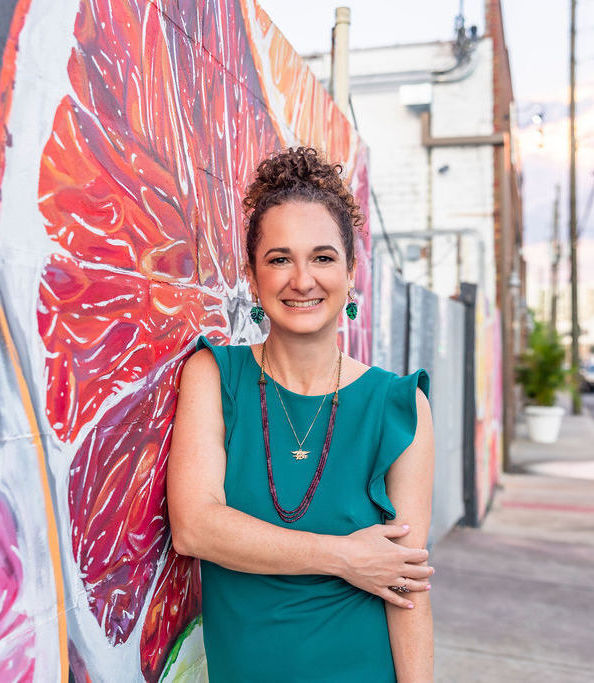
Rebecca C. Y. Deming, founder and principal attorney of ProVet Legal, is a passionate advocate for veterans’ rights. She earned her law degree Magnum Cum Laude from the University of Miami’s School of Law. Rebecca’s practice focuses on assisting veterans with disability compensation appeals, ensuring they receive the benefits they deserve for their service to our nation.
With her extensive experience as an accredited attorney with the Veterans Benefits Administration, Rebecca guides veterans through the complex process of appealing denied disability claims. Her unwavering commitment to helping those who have served is evident in her tireless efforts to secure positive outcomes for her clients. Through ProVet Legal, Rebecca continues to make a significant impact in the lives of veterans and their families.
Google | LinkedIn | The Florida Bar | Avvo