Can a Spouse Get VA Benefits: Understanding Eligibility and Options in 2025
Many military spouses wonder if they qualify for VA benefits. The answer is yes – spouses and dependent family members of Veterans or service members often qualify for various benefits through the Department of Veterans Affairs. As the spouse of a Veteran or service member, you may be eligible for healthcare, life insurance, education assistance, home loans, and financial support depending on your specific circumstances and your spouse’s military service.
Understanding these benefits can make a significant difference in your family’s financial well-being and quality of life. The VA offers programs specifically designed to support military families, recognizing the sacrifices that spouses make alongside their service members. Some benefits are available during your spouse’s service, while others become available after their service ends or in the event of their passing.
Key Takeaways
- Spouses of Veterans may qualify for healthcare, life insurance, and home loans depending on their eligibility status and the Veteran’s service record.
- You must meet specific eligibility requirements to receive VA spousal benefits, which vary by program and benefit type.
- Surviving spouses may be entitled to additional benefits including dependency and indemnity compensation, pension benefits, and burial assistance.
Eligibility Requirements for Spousal VA Benefits
Spouses of veterans may qualify for various VA benefits, but specific requirements must be met. Understanding these requirements is crucial to access healthcare, insurance, and financial support programs.
Qualifying Relationships
To receive VA spouse benefits, you must be in a legally recognized relationship with a veteran or service member. This typically means being a current spouse through a valid marriage.
Former spouses generally don’t qualify unless specific circumstances apply. However, surviving spouses (widows/widowers) may be eligible for certain benefits if they haven’t remarried.
Most benefit programs require that you were married to the veteran for at least one year. Some benefits have different marriage duration requirements, especially for survivor benefits.
Common-law marriages may be recognized if they’re valid in the state where you lived or where the right to benefits arose.
Service-Connected Criteria
Your eligibility often depends on your spouse’s military service record. The veteran must have:
- Served the minimum active duty time requirement (varies by benefit)
- Received an honorable or general discharge
- Service-connected disability rating (for certain benefits)
For some benefits, the veteran must have a disability rating of at least 30% to make you eligible for healthcare benefits.
For surviving spouse pensions, the veteran must have served during a period of war, even if not in combat.
Some benefits require the veteran’s death to be service-connected, while others may be available regardless of the cause of death.
Proof of Marriage Documentation
When applying for VA spouse benefits, you must provide proper documentation to verify your relationship. Required documents typically include:
Essential Documents:
- Marriage certificate
- Veteran’s discharge papers (DD-214)
- Social Security numbers for both you and the veteran
Additional Documentation (when applicable):
- Birth certificates of dependent children
- Death certificate (for surviving spouse benefits)
- Prior marriage termination documents (divorce decrees, certification of enrollment in school for dependent children between the ages of 18 and 23, or death certificates)
For foreign marriages, you may need to provide certified translations of documents. The VA might require additional verification in some cases.
You should gather these documents before applying for benefits to avoid delays in processing your application.
Types of VA Benefits Available to Spouses
The Department of Veterans Affairs offers several important benefits for spouses of veterans. These benefits provide financial support, healthcare coverage, and other assistance to help families of those who served.
Dependency and Indemnity Compensation (DIC)
DIC is a tax-free monthly payment available to surviving spouses of veterans who died from service-related conditions. You may qualify if your spouse died while on active duty or from a service-connected disability. The Department of Veterans Affairs provides this compensation to help support you financially after your loss.
To be eligible, you must have been married to the veteran for at least one year before their death. If you remarried before age 57, you might lose eligibility, but remarriage after age 57 won’t affect your benefits.
Current DIC payment rates are updated annually for cost-of-living adjustments. In some cases, additional allowances may be available if you have dependent children or require aid and attendance for daily activities.
The application process requires Form 21-534EZ and supporting documentation like marriage certificates and your spouse’s death certificate.
Accrued Benefits for Surviving Spouses
If your veteran spouse passed away while a VA claim was still pending, you may be entitled to accrued benefits. These are the disability payments your spouse would have received from the VA if they had lived to see their claim approved.
Accrued benefits allow you to complete what your veteran started – pursuing the compensation they earned through their service. This isn’t an ongoing monthly payment like DIC, but rather a one-time payment covering the period from when your spouse filed their claim until their passing.
You can apply for accrued benefits using the same Form 21-534EZ used for DIC claims. The VA will review your spouse’s pending claim and, if approved, pay the accumulated benefits that would have been owed to them.
This benefit recognizes that your veteran’s fight for recognition of their service-connected conditions shouldn’t end with their passing. You have the right to step forward and ensure they receive the compensation they earned, even if they’re no longer here to advocate for themselves.
Survivor Pension
The VA Survivor Pension (formerly called Death Pension) provides monthly payments to low-income surviving spouses who haven’t remarried. This benefit is needs-based and designed to help those facing financial hardship.
To qualify, your veteran spouse must have served during a wartime period and met minimum service requirements. Your household income must fall below limits set by Congress.
The VA offers enhanced pension rates for those who are housebound or require aid and attendance. These increased benefits help cover costs of needed care.
Unlike DIC, this benefit isn’t tied to service-connected death. However, your income and net worth will be evaluated during application.
Apply using VA Form 21-534EZ, the same form used for DIC claims.
Health Care Benefits
As a spouse of a veteran, you may access health care through programs like CHAMPVA (Civilian Health and Medical Program of the VA). This program covers most health care costs for eligible spouses and children of veterans with permanent, total service-connected disabilities.
Various health benefits are available depending on your specific situation. If you’re a surviving spouse, you might qualify for CHAMPVA if you’re not eligible for TRICARE and not enrolled in Medicare Part A and B.
The program covers services like outpatient care, inpatient care, mental health services, and prescription medications. You’ll typically pay a cost-share for services.
To apply, submit VA Form 10-10d along with supporting documentation of your eligibility status. Coverage begins upon approval of your application.
Application Process for Spousal VA Benefits

Applying for VA benefits as a spouse requires specific forms, proper documentation, and understanding the timeline for processing. The VA has established clear procedures to help eligible spouses receive the benefits they deserve.
Required Forms and Documentation
To apply for VA spousal benefits, you’ll need to complete specific forms based on the benefit type you’re seeking:
- For survivor benefits, complete VA Form 21P-534EZ (Application for DIC, Survivors Pension, and/or Accrued Benefits)
- For CHAMPVA health benefits, use VA Form 10-10d
- For home loan benefits, request a Certificate of Eligibility (COE)
Essential documentation typically includes:
- Marriage certificate
- Veteran’s discharge papers (DD-214)
- Veteran’s death certificate (for surviving spouses)
- Social Security numbers for you and your dependents
- Financial information (for income-based benefits)
- Medical records (if applying for health benefits)
Keep copies of all submitted documents for your records. The VA may request additional documentation depending on your specific situation.
How to Submit an Application
You have multiple options for submitting your VA benefits application:
Online: Many applications can be submitted through the VA.gov website. This is often the fastest method.
By Mail: Print and complete the appropriate form, then mail it to the address specified on the form or on the VA website.
In Person: Visit your local VA regional office for assistance with completing and submitting your application.
With Help: You can work with an accredited representative or Veterans Service Officer (VSO) at no cost. These professionals understand the system and can help you prepare a complete application.
When submitting, include all required documentation. Consider sending materials via certified mail if not applying online to confirm delivery.
Processing Time and What to Expect
VA benefit applications are all processed through a single regional office. That means they can take many months to process. We also see a higher level of error in processing survivor benefits than regular VA disability.
After submission, you’ll receive a confirmation letter with your claim number. Use this number when checking your application status through:
- The VA.gov website
- The VA benefits hotline (1-800-827-1000)
- Your local VA office
The VA may contact you for additional information or to schedule an interview. Respond promptly to avoid delays. If approved, you’ll receive an award letter detailing your benefits and payment schedule.
If denied, the letter will explain the reasons and your appeal rights. You have one year from the decision date to file an appeal.
While waiting, gather any additional documents you think might strengthen your claim. The VA provides priority processing for hardship cases if you’re experiencing financial difficulties.
Education and Training Benefits for Veterans’ Spouses
Veterans’ spouses have access to several education and training benefits through the VA that can help fund their educational goals. These programs offer financial support for college, vocational training, and other educational pursuits.
The Survivors’ and Dependents’ Educational Assistance (DEA)
The DEA program provides education and training opportunities to spouses of Veterans who are permanently and totally disabled due to service-related conditions. You may also qualify if your spouse died while on active duty or from a service-connected disability.
Under DEA, you can receive up to 36 months of education benefits. These benefits can be used for degree programs, certificate programs, apprenticeships, and on-the-job training.
Currently, the monthly payment rates depend on your enrollment status (full-time, part-time, etc.). You must use these benefits within 10 years of becoming eligible if you’re a spouse, or within 20 years if you’re a surviving spouse.
To apply, you’ll need to complete VA Form 22-5490 and provide documentation of your spouse’s disability or death.
Eligibility for Yellow Ribbon Program
The Yellow Ribbon Program is available to spouses of Veterans with 100% total and permanent disability ratings. This program helps cover costs that exceed the GI Bill’s maximum allowance.
To qualify, your spouse must:
- Have 100% permanent and total disability rating
- Have qualifying service requirements (typically post-9/11)
- Have transferred their education benefits to you
Not all schools participate in the Yellow Ribbon Program. You should check with your chosen institution to confirm participation before applying.
The program works by having the VA match the additional funding that participating schools provide. This can significantly reduce or eliminate your out-of-pocket expenses for tuition and fees at private institutions or out-of-state public universities.
Home Loan and Housing Assistance for Spouses
The VA offers housing assistance programs that can help surviving spouses secure and adapt homes. These benefits include loan guarantees that make homeownership more accessible and grants for modifying homes to accommodate disabilities.
VA Home Loan Guaranty for Surviving Spouses
If you’re the surviving spouse of a Veteran, you may qualify for a VA-backed home loan. This benefit helps you buy, build, or improve a home by providing a guaranty on part of the loan, often eliminating the need for a down payment.
To qualify, you must be the unmarried surviving spouse of a Veteran who:
- Died in service or from a service-connected disability
- Is missing in action or a prisoner of war
- Had a total service-connected disability at time of death
You’ll need a Certificate of Eligibility (COE) to show lenders you qualify. This can be requested through the VA’s eBenefits portal, by mail, or through your lender.
VA-backed loans offer competitive interest rates and don’t require private mortgage insurance, potentially saving you thousands of dollars.
Adapted Housing Grants
If you’re a surviving spouse of a Veteran who died from service-connected disabilities, you may be eligible for housing adaptation assistance. These grants help modify homes to accommodate disabilities.
The Specially Adapted Housing (SAH) grant provides up to $101,754 (2023 figure) to create a wheelchair-accessible home. The Special Home Adaptation (SHA) grant offers up to $20,387 for other modifications.
For temporary living situations, the Temporary Residence Adaptation (TRA) grant helps adapt a family member’s home where you’re temporarily residing.
To apply, you’ll need to complete VA Form 26-4555 and work with a Specially Adapted Housing agent who will guide you through the process.
Burial and Memorial Benefits
Spouses of veterans can receive significant burial and memorial benefits through the VA. These benefits help honor the service of veterans by extending support to their families during difficult times.
Burial Allowance for Surviving Spouses
When a veteran passes away, the VA provides burial and funeral expense assistance to eligible surviving spouses. As of October 1, 2024, the VA will pay up to $978 toward burial and funeral expenses.
An additional $978 plot-interment allowance is available if the veteran is not buried in a VA national cemetery. These allowances help offset the costs associated with laying your loved one to rest.
To qualify for these benefits, you must be the surviving spouse of a veteran who meets eligibility requirements. The amount you receive may vary based on whether the veteran’s death was service-connected or non-service-connected.
You should file your claim for burial benefits using VA Form 21P-530.
Headstones and Markers
As a spouse or dependent of a veteran, you’re eligible to receive headstones, markers, medallions, plaques, and urns through VA benefits. These memorial items are provided at no cost to honor your service connection to a veteran.
Spouses can be buried alongside veterans in national cemeteries, with perpetual care included. This benefit extends even if the veteran is buried elsewhere, allowing you to reserve a space in a national cemetery.
The VA provides these memorial items regardless of whether burial takes place in a national, state, or private cemetery. Standard headstones and markers are available in various materials including granite, marble, and bronze.
To apply for a headstone or marker, you’ll need to submit VA Form 40-1330 after your eligibility is confirmed.
Health Insurance Options for Spouses
Spouses of veterans have several healthcare options through VA programs. These programs offer comprehensive coverage for eligible family members, ensuring they receive necessary medical care.
Civilian Health and Medical Program of the Department of Veterans Affairs (CHAMPVA)
CHAMPVA is a comprehensive health insurance program that provides coverage for spouses, dependents, and survivors of certain veterans. You may qualify for CHAMPVA if you are the spouse or dependent of a veteran who:
- Has a permanent, total service-connected disability
- Died due to a service-connected condition
- Was totally disabled from a service-connected condition at time of death
- Died in the line of duty
CHAMPVA covers most healthcare services and supplies that are medically necessary. This includes inpatient services, outpatient care, mental health services, prescription medications, and durable medical equipment.
When using CHAMPVA, you typically pay 25% of allowable charges, while the program covers the remaining 75%. There is an annual deductible and a catastrophic cap to protect you from excessive expenses.
How to Maintain Coverage
To maintain your CHAMPVA coverage, you must keep your information current with the VA. If you experience any change in status, such as divorce, remarriage, or becoming eligible for Medicare, you must notify the VA promptly.
For spouses under age 65, your CHAMPVA coverage continues until you remarry if your veteran spouse is deceased. If you remarry before age 55, you permanently lose CHAMPVA eligibility.
When you turn 65, you must enroll in Medicare Parts A and B to maintain your CHAMPVA benefits. CHAMPVA becomes your secondary insurance after Medicare.
If you move, update your address with the VA to ensure you receive important communications about your benefits.
Additional Support Services for Spouses
Beyond direct financial benefits, the VA offers several supplementary services designed to help military spouses navigate challenges and improve their quality of life. These programs focus on emotional wellbeing and financial stability.
Counseling and Mental Health Resources
Military life creates unique stresses for spouses. The VA provides caregiver support programs that include counseling services specifically for family members.
You can access free mental health counseling through the Vet Center Program. These centers offer confidential help for issues like grief, depression, and adjustment difficulties.
Military OneSource is another valuable resource. They provide non-medical counseling and support to military spouses for up to one year after your spouse’s separation from service.
The VA’s Coaching Into Care program helps you learn how to talk with your veteran about seeking mental health treatment. This free, confidential service connects you with licensed psychologists and social workers.
Financial Planning Assistance
Managing finances can be challenging for military families. The VA partners with accredited financial counselors who can help you create budgets, manage debt, and plan for the future.
You can access VA housing assistance programs if you’re a surviving spouse. These include VA-backed home loans and housing grants in certain situations.
Military OneSource offers free financial counseling services. Their consultants can help with:
- Creating spending plans
- Managing credit and debt
- Understanding military benefits
- Planning for retirement
The VA’s Survivors Pension benefit provides monthly payments to qualified surviving spouses with limited income. Income limits change yearly, so check the current thresholds when applying.
Challenges and Common Issues When Applying
Applying for VA benefits as a spouse can be complicated. Many spouses face similar obstacles during the application process.
Income Limitations can prevent some spouses from qualifying. Some veterans cannot register for benefits due to income thresholds, which extends to their spouses in certain benefit categories.
Discharge Status Requirements affect eligibility significantly. Your veteran spouse must have at least a general discharge to qualify for most benefits, which can be a barrier for some families.
Documentation Challenges are common when applying. You’ll need to provide:
- Marriage certificate
- Veteran’s discharge papers (DD-214)
- Service-connected disability documentation (if applicable)
- Income verification (for means-tested benefits)
Understanding Benefit Differences can be confusing. VA spouse benefits vary widely, from healthcare to education assistance, and determining what you qualify for isn’t always straightforward.
People get confused a lot between survivor pension (for low income) and DIC – based on service-connected cause of death or other eligibility requirements.
It’s really important to file for survivor benefits within a year of the veteran passing if you can. The window to file for accrued benefits will close after that year lapses. You can always file for survivor pension or DIC later – but you may miss out on benefits if you wait.
If you have questions, reach out to our team.
Application Processing Delays might test your patience. Some benefits take months to process, so prepare for potential waiting periods.
Navigating Multiple Systems often creates frustration. Different VA benefits require separate applications through different departments, making the process feel disjointed.
If you face these challenges, consider working with a Veterans Service Officer (VSO). These professionals provide free assistance and can help guide you through the VA benefits application process.
Resources and Assistance for Spouses
Veterans’ spouses can access several VA benefits and resources. These include healthcare, compensation, and support programs designed specifically for family members.
The VA Aid and Attendance benefits provide monthly payments added to VA pensions for eligible Veterans and their survivors. If your spouse needed regular help with daily activities, this benefit might have covered those costs.
For housing needs, surviving spouses may qualify for VA housing assistance. These benefits help with finding and maintaining safe housing after a Veteran’s passing.
Health and disability benefits are also available. As a family member or caregiver, you might qualify for VA health care benefits and compensation programs designed to support you.
Key Benefits for Spouses Include:
- Healthcare coverage
- Monthly compensation
- Housing assistance
- Caregiver support programs
- Aid and Attendance benefits
Long-term care costs can be offset through the Aid and Attendance benefit. Veteran spouses may qualify for this benefit to help pay for senior care needs.
To access these benefits, you’ll need to complete the appropriate VA applications. Each program has specific eligibility requirements based on your spouse’s service and your current situation.
Contact your local VA office or visit VA.gov for personalized assistance with your application process. Veterans Service Organizations can also provide free guidance on navigating the benefits system.
Final Thoughts
Spouses of veterans often carry just as much weight through years of military service – and they deserve support for everything they’ve given. Whether it’s access to health care, education, housing, or financial assistance, VA benefits for spouses are designed to provide long-term security and stability. But the path to receiving those benefits isn’t always straightforward.
If you’re unsure which programs apply to your situation or how to apply correctly, you don’t have to go it alone. At ProVet Legal, we focus exclusively on VA benefits. We help military families cut through the red tape and get the support they’ve earned.
You’ve supported your veteran – now let us support you.
Contact ProVet Legal today to get clear answers and a plan you can trust.
Author Bio
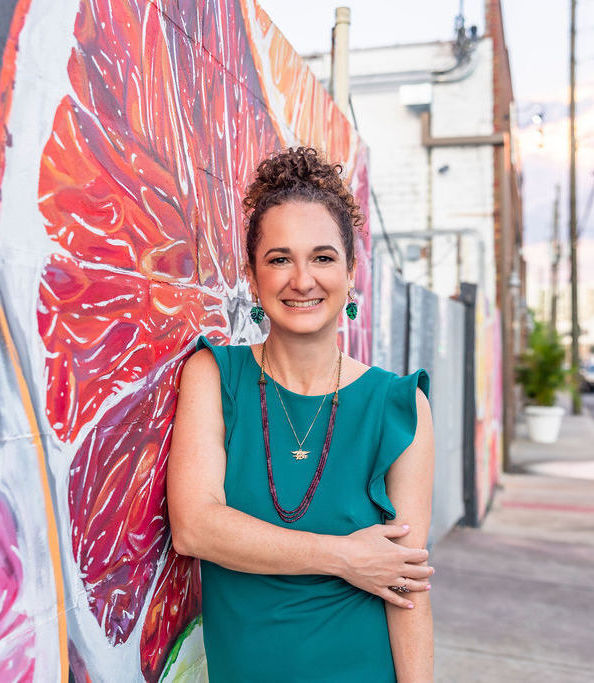
Rebecca C. Y. Deming, founder and principal attorney of ProVet Legal, is a passionate advocate for veterans’ rights. She earned her law degree Magnum Cum Laude from the University of Miami’s School of Law. Rebecca’s practice focuses on assisting veterans with disability compensation appeals, ensuring they receive the benefits they deserve for their service to our nation.
With her extensive experience as an accredited attorney with the Veterans Benefits Administration, Rebecca guides veterans through the complex process of appealing denied disability claims. Her unwavering commitment to helping those who have served is evident in her tireless efforts to secure positive outcomes for her clients. Through ProVet Legal, Rebecca continues to make a significant impact in the lives of veterans and their families.
Google | LinkedIn | The Florida Bar | Avvo