VA Spouse Survivor Benefits: Eligibility, Compensation & Resources

When a veteran passes away, their surviving spouse may wonder what support is available during this difficult time. The Department of Veterans Affairs provides several programs designed to help ease the financial burden and provide ongoing assistance to military families who have lost their loved one.
The VA offers surviving spouses multiple benefits including monthly compensation payments, healthcare coverage, educational assistance, and burial support. These programs recognize the sacrifices made by military families and provide crucial support when it’s needed most.
Understanding which benefits you qualify for and how to apply can make a significant difference in your financial stability and access to essential services. VA survivor benefits are designed to honor your veteran’s service while supporting you and your family’s future needs.
Key Takeaways
- Surviving spouses can receive tax-free monthly payments through programs like Dependency and Indemnity Compensation and Survivors Pension
- Healthcare coverage and educational benefits help provide long-term support for your family’s needs
- Additional resources include burial assistance and life insurance benefits to help during the transition period
Understanding VA Spouse Survivor Benefits
The Department of Veterans Affairs provides financial support to surviving spouses through two main programs with different qualification rules. Each benefit serves specific situations and income levels.
Types of Survivor Benefits
The VA offers two primary survivor benefits for spouses. Each program has different purposes and requirements.
Dependency and Indemnity Compensation (DIC) provides tax-free monthly payments. You can receive DIC if your spouse died from a service-connected condition or in the line of duty. You can also receive DIC if your spouse was rated 100% total and permanent for 10 years before death (or 5 years if the rating started right after service).
Survivors Pension helps low-income surviving spouses. This benefit requires your spouse to have served during wartime periods. You must also meet strict income and asset limits.
Additional Benefits may include:
- Aid and Attendance for daily care needs
- Housebound benefits for mobility limitations
- Education assistance programs
- Healthcare coverage options
The VA also provides bereavement counseling through Vet Centers. These services help you cope with the loss of your spouse.
Who Qualifies for Survivor Benefits
Your eligibility depends on your marriage status and your spouse’s military service. Different benefits have different qualification rules.
For DIC Benefits, you must be:
- The surviving spouse of a veteran
- Married to the veteran at time of death
- Not remarried (with some exceptions)
Your spouse must have died from a service-connected disability. Or they died while on active duty, or had a 100% rating for a specified time before death.
For Survivors Pension, you need:
- Marriage to a wartime veteran
- Limited income and assets
- No remarriage before age 57
The VA Survivors Pension has strict financial limits set by Congress. Your total household income cannot exceed certain amounts.
Key Differences Between Major Benefits
Understanding the main differences helps you know which benefits to pursue. Each program serves different financial situations.
| Feature | DIC | Survivors Pension |
| Income limits | None | Yes, strict limits |
| Service requirement | Service-connected death | Wartime service |
| Payment amount | Fixed rate | Based on income |
| Asset limits | None | Yes, limited assets |
DIC payments are higher and have no income restrictions. You receive the same amount regardless of other income sources.
Survivors Pension payments decrease as your other income increases. The VA reduces your pension dollar-for-dollar above certain income thresholds.
You cannot receive both benefits at the same time. The VA will pay whichever benefit gives you the higher monthly amount. If you qualified for pension, and then later are able to prove the death was service-connected, and VA grants DIC, VA will pay you the difference between what you received for pension and what you are entitled to under DIC.
Financial Support and Compensation Programs
The VA offers two main financial programs for surviving spouses: Dependency and Indemnity Compensation (DIC) and Survivors Pension. DIC provides tax-free monthly payments when a veteran’s death was service-connected, while Survivors Pension helps low-income survivors of wartime veterans.
Dependency and Indemnity Compensation (DIC) Overview
Dependency and Indemnity Compensation (DIC) is a tax-free monthly benefit paid to eligible survivors of veterans. This program provides the highest level of financial compensation available to military survivors.
DIC payments go to survivors when a veteran dies from a service-connected disability. The veteran must have received a 100% disability rating for at least 10 years before death (or 5 years if rated immediately after service).
You can also receive DIC if your spouse died in active military service. The cause of death must be related to their military duties or service.
Monthly DIC Payment Amounts (2025):
- Basic monthly rate: $1,612.75
- Additional amounts for dependent children
The VA may also pay DIC for deaths caused by certain illnesses. These include conditions linked to Agent Orange exposure or burn pit exposure under the PACT Act.
Eligibility Criteria for DIC
You must meet specific requirements to qualify for DIC benefits. Your relationship to the veteran and their service record both matter for eligibility.
Surviving Spouse Requirements:
- You were married to the veteran at time of death
- You lived with the veteran continuously until death
- You have not remarried (with some exceptions)
Veteran Service Requirements:
- Death was caused by service-connected disability
- Veteran had 100% disability rating for 10+ years before death
- Death occurred during active military service
You can still qualify if you remarried after age 57. Remarriage before age 57 usually ends DIC eligibility unless that marriage also ends.
Additional Eligible Survivors:
- Unmarried dependent children under age 18
- Children ages 18-23 attending school full-time
- Adult children who became disabled before age 18
- Dependent parents in some cases
The VA does not consider your income or assets for DIC eligibility. This differs from Survivors Pension, which has strict financial limits.
Survivors Pension (Death Pension) Details
VA Survivors Pension provides monthly payments to low-income survivors of wartime veterans. This need-based program helps families who cannot support themselves financially.
The veteran must have served during a recognized war period. They do not need to have served in combat zones or overseas.
Income and Net Worth Limits:
- Your yearly income must fall below VA limits
- Net worth limit: $150,194 (as of 2025)
- Medical expenses can reduce countable income
The VA counts most types of income toward these limits. This includes Social Security, employment income, and investment returns.
Maximum Annual Pension Rates (2025):
- Surviving spouse alone: $10,726
- Surviving spouse with one child: $14,051
- Each additional child: $2,313
You cannot receive both DIC and Survivors Pension. The VA will pay whichever benefit amount is higher.
Additional Pension Benefits:
- Aid and Attendance: Extra $9,219 annually if you need daily care
- Housebound benefit: Extra $2,846 annually if you cannot leave home
The pension amount decreases based on your other income. Higher medical expenses can increase your monthly payment amount.
Health Care and Educational Assistance
Military spouses and children can access comprehensive health coverage through CHAMPVA after a veteran’s death. Educational benefits provide up to 36 months of financial support for school and training programs.
Accessing CHAMPVA Health Coverage
The Civilian Health and Medical Program of the Department of Veterans Affairs (CHAMPVA) provides health care coverage for eligible survivors. You qualify if you’re the spouse or child of a veteran who died from a service-connected disability or was permanently disabled at the time of death.
CHAMPVA works as secondary insurance if you have other coverage. The program covers most medical services including hospital stays, doctor visits, and prescription medications.
Key CHAMPVA Benefits:
- Annual deductible of $50 per person ($100 per family)
- 25% cost sharing for most services
- Coverage until age 65 for spouses
You must apply separately for CHAMPVA even if you receive other VA benefits. The application requires proof of the veteran’s disability rating and death certificate if applicable.
Survivors’ and Dependents’ Educational Assistance (DEA)
The Survivors’ and Dependents’ Educational Assistance program provides monthly payments to help cover educational expenses. You’re eligible as a spouse or child if the veteran died from service-connected causes or is permanently disabled.
Eligibility Requirements:
- Veteran died from service-connected disability
- Veteran is permanently and totally disabled
- Service member died in line of duty
- Service member missing in action over 90 days
Children can use benefits starting at age 18 or after high school completion. Spouses can begin using benefits immediately after eligibility determination.
Benefits provide up to 36 months of full-time education support. You receive monthly payments based on your enrollment status and training type.
Time limits vary based on when you became eligible. If your qualifying event occurred after August 1, 2023, you have no time limit to use benefits.
Fry Scholarship and Additional Educational Support
The Marine Gunnery Sergeant John David Fry Scholarship provides enhanced educational benefits for children and spouses of service members who died in the line of duty after September 10, 2001.
Fry Scholarship recipients receive the same benefits as Post-9/11 GI Bill users. This includes full tuition coverage at public schools and housing allowances during enrollment.
Fry Scholarship vs DEA:
- Higher monthly payments than DEA
- Covers full tuition at public universities
- Includes housing allowance
- Cannot be used simultaneously with DEA
You may qualify for both programs but can only use one at a time. Children who lost a parent before August 1, 2011, can combine both programs for up to 81 months total.
Spouses lose Fry Scholarship eligibility if they remarry before age 55. Children maintain eligibility regardless of family changes.
Educational counseling services help you choose the best program for your situation and career goals.
Other Valuable Survivor Resources
Beyond financial benefits, the VA provides meaningful ways to honor your deceased veteran’s service through burial assistance and memorial recognition. These programs help preserve your loved one’s legacy while providing practical support during difficult times.
Burial and Memorial Benefits
The VA offers comprehensive burial support to help honor your veteran’s service. You can receive financial assistance for burial costs and access to national cemetery services.
VA National Cemetery burial provides a gravesite in one of 155 national cemeteries across the country. This benefit includes opening and closing of the grave, a burial liner, and perpetual care at no cost to your family.
You may also receive burial allowances to help cover funeral expenses:
- Service-connected death: Up to $2,000 for burial expenses plus $807 for plot allowance
- Non-service-connected death: Up to $807 for burial and $807 for plot allowance if not buried in a national cemetery
The VA provides a government headstone or marker at no charge. You can choose from granite, marble, or bronze materials with approved inscriptions.
Transportation costs may be covered if your veteran died while hospitalized by the VA. Some veterans also qualify for military funeral honors including flag folding and presentation.
Presidential Memorial Certificate
The Presidential Memorial Certificate recognizes your veteran’s military service with an official document signed by the current president. This memorial tribute is available at no cost to eligible survivors.
You can request certificates for veterans who received an honorable discharge. The certificate features the presidential seal and your veteran’s name with a message thanking them for their service.
Eligible recipients include next of kin such as spouses, children, parents, and siblings. You can request multiple certificates for different family members who want this keepsake.
The application process requires submitting VA Form 40-0247 along with proof of your veteran’s military service. You can apply online, by mail, or through a VA regional office.
Processing typically takes 4-6 weeks after the VA receives your complete application. The certificate arrives in a presentation-ready format suitable for framing and display.
You Don’t Have to Navigate This Difficult Time Alone
Losing a veteran spouse brings overwhelming grief alongside complex questions about financial security and benefits. While nothing can replace your loved one, the survivor benefits you’ve earned through their service can provide crucial support during this transition and for years to come.
At ProVet Legal, we understand that dealing with VA paperwork and benefit applications is the last thing you want to handle while grieving. We specialize in helping military families secure DIC, and other benefits that honor your veteran’s service while supporting your family’s future. From determining which programs offer the best support for your situation to handling complex applications and appeals, we guide you through every step.
Your veteran cared for our country – now let us help you get the benefits you both earned. Contact ProVet Legal today for a free case review. We’ll help you understand your options and ensure you receive every benefit available to support you and your family during this difficult time.
Author Bio
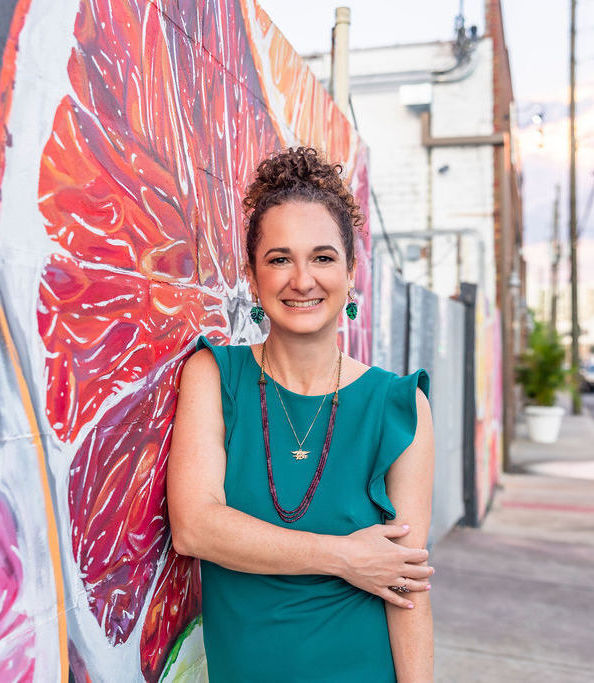
Rebecca C. Y. Deming, founder and principal attorney of ProVet Legal, is a passionate advocate for veterans’ rights. She earned her law degree Magnum Cum Laude from the University of Miami’s School of Law. Rebecca’s practice focuses on assisting veterans with disability compensation appeals, ensuring they receive the benefits they deserve for their service to our nation.
With her extensive experience as an accredited attorney with the Veterans Benefits Administration, Rebecca guides veterans through the complex process of appealing denied disability claims. Her unwavering commitment to helping those who have served is evident in her tireless efforts to secure positive outcomes for her clients. Through ProVet Legal, Rebecca continues to make a significant impact in the lives of veterans and their families.
Google | LinkedIn | The Florida Bar | Avvo