VA MST Screening Questions: What Veterans Need to Know About Military Sexual Trauma Claims
Military sexual trauma (MST) affects thousands of veterans, yet many don’t know they can receive VA disability compensation for conditions resulting from these experiences. Understanding the VA MST screening questions and claims process is crucial for veterans seeking the benefits and healthcare they’ve earned through service.
The VA defines military sexual trauma as sexual assault or repeated, threatening sexual harassment that occurred during military service. This includes any sexual activity where you were involved against your will, including during basic training, deployment, or at any military installation. Both men and women can experience MST, and the VA recognizes that these traumatic experiences often lead to serious mental and physical health conditions.
If you’re considering filing a claim for MST-related conditions or wondering what to expect during VA evaluations, this guide explains the screening process, what questions you’ll face, and how to navigate the claims system effectively.
Key Takeaways
- VA MST screening is confidential and separate from your claims process
- You don’t need to report the incident at the time it occurred to file a claim
- Alternative evidence, like behavior changes and buddy statements, can establish MST even without official reports
- Mental health conditions resulting from MST qualify for VA disability compensation
What Are VA MST Screening Questions?
The VA uses standardized screening questions to identify veterans who may have experienced military sexual trauma. These questions appear during routine healthcare visits at VA medical facilities and help providers connect you with appropriate care and resources.
The two primary MST screening questions are:
- “While you were in the military, did you receive uninvited and unwanted sexual attention, such as touching, cornering, pressure for sexual favors, or verbal remarks?”
- “Did someone ever use force or threat of force to have sexual contact with you against your will?”
These questions are brief and designed to be answered with a simple yes or no. You’re not required to provide details during the initial screening. The purpose is to identify veterans who might benefit from MST-related healthcare services, not to gather evidence for claims.
VA healthcare providers ask these questions as part of standard care, regardless of gender, branch of service, or when you served. The screening happens in private settings, and your answers remain confidential within your medical records.
Understanding Military Sexual Trauma Claims
Filing a VA disability claim for conditions related to MST follows the same basic process as other service-connected claims, but with important differences in how you prove your case.
What Conditions Qualify
The VA doesn’t provide disability ratings for MST itself. Instead, you receive compensation for mental or physical health conditions that resulted from the trauma. Common service-connected conditions related to MST include:
Mental Health Conditions:
- Post-Traumatic Stress Disorder (PTSD)
- Depression
- Anxiety disorders
- Substance abuse disorders
- Eating disorders
Physical Health Conditions:
- Chronic pain
- Gastrointestinal problems
- Sexual dysfunction
- Sleep disorders
Your disability rating depends on the severity of your symptoms and how they affect your daily life and ability to work. Many veterans with MST-related PTSD receive ratings between 30% and 100%, with higher ratings for more severe, disabling symptoms.
Service Connection Requirements
Like all VA disability claims, you need to establish three elements for service connection:
- Current Diagnosis: Medical evidence showing you have a condition diagnosed by a qualified healthcare provider
- In-Service Event: Evidence that MST occurred during your military service
- Nexus: A link between your current condition and the traumatic event
The challenge with MST claims often lies in proving the in-service event occurred, especially when the assault or harassment wasn’t officially reported at the time.
Evidence Standards for MST Claims
The VA recognizes that many MST incidents go unreported during service due to fear of retaliation, shame, or military culture. Because of this, the VA uses a more lenient evidence standard for MST claims compared to other claims.
You don’t need an official report or investigation to prove MST occurred. Instead, the VA accepts “markers” or circumstantial evidence that corroborates your account.
Alternative Evidence the VA Accepts
The VA looks for evidence of behavior changes or circumstances that align with your account of MST. Accepted markers include:
Service Records Showing:
- Requests for transfer to different units
- Visits to mental health or medical clinics
- Changes in performance evaluations
- Disciplinary actions or behavioral issues
- Requests for early discharge
Personal Evidence:
- Journal entries or letters from the time period
- Statements from fellow service members (buddy statements)
- Evidence of relationship difficulties during or after service
- Records showing increased use of alcohol or drugs
Post-Service Evidence:
- Medical records showing treatment for anxiety, depression, or PTSD
- Reports to civilian authorities
- Employment difficulties or job loss
- Relationship problems or divorce
For detailed information, see the VA’s official MST claims guidance. A single marker isn’t always sufficient, but multiple markers that correspond with your account can establish that MST occurred even without official military reports.
The Role of Buddy Statements
Buddy statements from fellow service members carry significant weight in MST claims. These statements should describe specific observations like:
- Changes in your behavior or mood during service
- Incidents they witnessed or heard about
- Your statements about harassment or assault at the time
- Actions you took like requesting transfers or avoiding certain areas
The person writing the statement doesn’t need to have witnessed the assault itself. Observations about behavioral changes before and after the timeframe you identify can support your claim.
What to Expect During C&P Exams
If you file a claim for MST-related conditions, the VA will likely schedule you for a Compensation and Pension (C&P) examination. This exam evaluates the severity of your condition and establishes the connection to military service.
Mental Health C&P Exams for MST
MST-related mental health exams typically last 1-2 hours and involve detailed questions about your experiences and current symptoms. The examiner will ask about:
Your MST Experience:
- When and where the incident(s) occurred
- What happened during the assault or harassment
- Whether you reported it and to whom
- How the experience affected you at the time
Current Symptoms:
- Frequency and severity of PTSD symptoms
- How symptoms affect work and relationships
- Whether you avoid certain situations or people
- Sleep patterns and nightmares
- Anxiety or depression symptoms
Daily Functioning:
- Ability to maintain employment
- Relationships with family and friends
- Social activities and isolation
- Self-care and household tasks
Be honest about your worst symptoms during these exams. Many veterans minimize their struggles, which can result in lower disability ratings that don’t reflect the true impact of their condition.
Preparing for Your Exam
Preparation can help ensure the examiner understands the full scope of your disability:
- Write down your symptoms before the appointment
- Note specific examples of how symptoms affect daily life
- Bring a list of medications and treatments you’ve tried
- Consider bringing a support person who can wait outside
- Don’t minimize symptoms or try to appear “fine”
The examiner will write a report summarizing your condition and providing a medical opinion about service connection. This report significantly influences the VA’s decision on your claim.
Common Challenges in MST Claims
Veterans filing MST-related claims face unique obstacles that can lead to denials or lower ratings than deserved.
Lack of Documentation
The biggest challenge is often the absence of official reports. Many veterans never reported MST incidents during service, leaving no paper trail in military records.
The VA’s recognition of alternative evidence addresses this issue, but you still need to provide markers or corroborating evidence. Simply stating MST occurred without supporting documentation usually results in denial.
Gaps in Treatment
Long gaps between the traumatic event and seeking mental health treatment can raise questions about service connection. The VA may argue your condition developed after service rather than during it.
Medical evidence explaining delayed treatment helps overcome this challenge. Many mental health professionals understand that trauma survivors often delay seeking help due to shame, denial, or coping mechanisms. If your claim was denied due to insufficient evidence, filing a VA supplemental claim with new medical evidence may be your best option.
Credibility Concerns
Some veterans worry the VA won’t believe their account, especially without official reports. While the VA must consider your testimony credible on its own, supporting evidence strengthens your case significantly.
Consistent accounts across multiple sources – your testimony, medical records, buddy statements – establish credibility more effectively than unsupported statements alone.
Getting Help With Your MST Claim
MST claims involve sensitive information and complex evidence requirements that many veterans find difficult to navigate alone. The right support can make the difference between approval and denial.
VA MST Coordinators
Every VA medical center has MST coordinators who provide confidential assistance with healthcare services and can help connect you with resources. These coordinators don’t handle claims directly but can guide you toward appropriate support.
Professional Legal Assistance
VA-accredited attorneys who specialize in disability claims understand the unique challenges of MST cases and know how to present evidence effectively. They can help you:
- Gather appropriate markers and alternative evidence
- Obtain strong nexus letters from qualified medical professionals
- Prepare for C&P exams
- Appeal denials with compelling arguments
- Ensure you receive the highest appropriate rating
Most VA disability attorneys work on contingency, meaning they only get paid if you win your case.
If you’re in crisis, call the Veterans Crisis Line at 988, then press 1. For additional support, visit RAINN’s military sexual assault resources.
Your Path Forward Starts Here
Military sexual trauma claims require careful documentation and strategic presentation of evidence, even when official reports don’t exist. Understanding what the VA looks for in MST screening and claims evaluation helps you build the strongest possible case for the benefits you deserve.
At ProVet Legal, we understand the sensitivity and complexity of MST-related disability claims. We know how to gather alternative evidence that establishes service connection, work with mental health professionals who understand trauma, and navigate the claims process with the respect and confidentiality your case demands. From initial filing through appeals if necessary, we guide veterans through every step while fighting for maximum compensation.
You survived the trauma – now let us help you secure the benefits you’ve earned. Contact ProVet Legal today for a free, confidential case review. We’ll evaluate your situation, explain your options, and help you build a claim that reflects the true impact of MST on your life. Your service and sacrifice deserve recognition, and we’re here to ensure you get it.
Author Bio
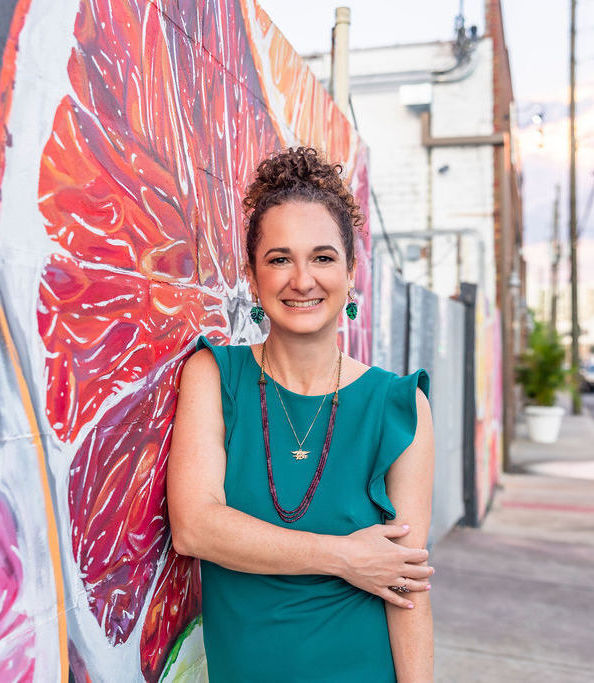
Rebecca C. Y. Deming, founder and principal attorney of ProVet Legal, is a passionate advocate for veterans’ rights. She earned her law degree Magnum Cum Laude from the University of Miami’s School of Law. Rebecca’s practice focuses on assisting veterans with disability compensation appeals, ensuring they receive the benefits they deserve for their service to our nation.
With her extensive experience as an accredited attorney with the Veterans Benefits Administration, Rebecca guides veterans through the complex process of appealing denied disability claims. Her unwavering commitment to helping those who have served is evident in her tireless efforts to secure positive outcomes for her clients. Through ProVet Legal, Rebecca continues to make a significant impact in the lives of veterans and their families.
Google | LinkedIn | The Florida Bar | Avvo