Military Sexual Trauma and VA Disability Benefits: What Veterans Need to Know
If you’re a veteran who experienced military sexual trauma (MST) during your service, you may be eligible for VA disability compensation. The VA recognizes MST as a serious in-service event that can trigger or cause a number of service-connected conditions including physical and mental health challenges long after your time in uniform.
But here’s what many veterans don’t realize: you don’t need to have reported the trauma at the time it happened to qualify for benefits. And you don’t need a service record or official documentation to move forward with a claim.
At ProVet Legal, we help veterans across all 50 states secure the VA benefits they’ve earned. If you experienced MST and are struggling with related health conditions, this guide will walk you through what you need to know.
What Is Military Sexual Trauma?
Military sexual trauma refers to any sexual assault, harassment, or threatening behavior that occurred while you were serving in the military. According to the Department of Veterans Affairs, MST includes:
- Sexual assault or rape
- Unwanted sexual touching or advances
- Threatening, offensive remarks about your body or sexual activities
- Threats or pressure for sexual favors
MST can happen to anyone, regardless of gender, rank, or branch of service. Both men and women experience MST, and the VA is committed to providing care and compensation without judgment.
How MST Affects Your Health
Veterans who experience MST often deal with lasting physical and mental health conditions. These may include:
- Post-traumatic stress disorder (PTSD)
- Depression and anxiety
- Substance use disorders
- Chronic pain or unexplained physical symptoms
- Sleep disturbances
- Trust and relationship difficulties
These conditions can make it hard to work, maintain relationships, or manage daily life. That’s why the VA offers disability compensation for MST-related conditions.
You Don’t Need a Service Record to File a Claim
One of the biggest myths about MST claims is that you need official documentation or a service record showing the incident. That’s not true.
The VA understands that many survivors did not report MST when it happened. Fear of retaliation, shame, lack of support, or distrust of the military justice system kept many veterans silent.
Because of this, the VA accepts what’s called “alternative evidence” to support your claim. This can include:
- Statements from friends, family, or fellow service members who noticed changes in your behavior or mood
- Medical or counseling records showing treatment for trauma-related symptoms
- Personnel records showing requests for transfer, changes in work performance, or unexplained absences
- Personal journals or diaries from the time period
You don’t have to prove the MST happened beyond a reasonable doubt. You just need to provide evidence that makes it “at least as likely as not” that the trauma occurred and led to your current condition.
What Conditions Qualify for VA Disability Due to MST?
The VA doesn’t have a specific disability rating for MST itself. Instead, they evaluate the mental and physical health conditions that resulted from the trauma.
The most common MST-related conditions include:
PTSD: Many veterans with MST develop PTSD, which can cause flashbacks, nightmares, emotional numbness, and hypervigilance. PTSD is rated by the VA from 0% to 100% based on severity.
Depression and Anxiety Disorders: Persistent sadness, loss of interest in activities, panic attacks, and excessive worry are common after MST.
Eating Disorders: Some survivors develop bulimia, anorexia, or binge eating as a way to cope with trauma.
Substance Use Disorders: Turning to alcohol or drugs to manage pain or numb emotions can lead to addiction.
Chronic Pain Conditions: MST can manifest in physical symptoms like migraines, gastrointestinal issues, or unexplained pain.
If you’re dealing with any of these conditions and they stem from MST, you may qualify for disability compensation.
How to File a VA Claim for MST-Related Conditions
Filing a VA claim for MST can feel overwhelming, especially if you’re reliving painful memories. Here’s what the process looks like:
Step 1: Get a Current Diagnosis
You’ll need medical evidence showing you have a current condition. This could be a diagnosis of PTSD, depression, or another mental or physical health issue. If you haven’t seen a doctor or counselor yet, VA healthcare offers free MST-related care to all veterans, even if you’re not enrolled in VA healthcare otherwise.
Step 2: Establish the In-Service Event
You need to show that MST occurred during your military service. As we mentioned earlier, you don’t need an official report. Alternative evidence like buddy statements, behavioral changes, or medical records from the time can support your claim.
Step 3: Link Your Condition to the Trauma
A medical opinion or “nexus letter” from a doctor can connect your current condition to the MST you experienced. This is often the most critical piece of evidence in your claim. While VA’s duty to assist requires that they help you develop the claim for a medical opinion, some veterans prefer to get an independent medical opinion or nexus letter from their treating doctors or a medical expert they can choose themselves.
Step 4: Submit Your Claim
You can file your claim online through VA.gov, by mail, or with the help of an accredited claims agent, veteran service organization, or VA-accredited attorney.
What If Your MST Claim Was Denied?
If the VA denied your MST-related claim, you’re not out of options. Many initial claims are denied due to lack of evidence or incomplete medical records. You have the right to appeal.
The appeals process can include:
- Supplemental claims with new evidence
- Higher-level reviews by senior VA staff
- Appeal to the Board of Veterans’ Appeals with direct review, evidence development, or a hearing with a veteran law judge.
An experienced VA disability lawyer can help you gather stronger evidence, obtain a nexus letter, and present your case more effectively. They can also help you determine which appeal option is most appropriate for you, often saving you years of frustration.
Special Considerations for MST Claims
MST claims are handled with extra care by the VA. Here are a few things to know:
Confidentiality: The VA takes privacy seriously. Your claim information is protected, and you won’t be forced to discuss details publicly.
Gender-Neutral: MST affects veterans of all genders. Male veterans often hesitate to come forward, but the VA recognizes that men experience MST and are entitled to the same care and benefits.
No Time Limit: There’s no deadline to file an MST-related claim. Whether the trauma happened two years ago or twenty years ago, you can still apply for benefits.
How a VA Disability Lawyer Can Help
MST claims can be emotionally and legally complex. A VA disability lawyer can:
- Help you gather the right evidence without forcing you to relive the trauma unnecessarily
- Obtain strong medical opinions that link your condition to MST
- Navigate VA red tape and avoid common filing mistakes
- Represent you during appeals if your claim is denied
At ProVet Legal, we work on a contingency fee basis. That means you pay nothing unless we win your case. And we offer a free case review to every veteran who reaches out.
You Earned This
If you experienced military sexual trauma, you deserve care and compensation for the lasting effects it’s had on your life. The VA system isn’t always easy to navigate, but you don’t have to do it alone.
You served your country with courage. Now let us serve you.
Contact ProVet Legal today for a free case review. We help veterans in all 50 states secure the VA disability benefits they’ve earned. No upfront fees. No obligation. Just honest guidance from people who care.
Author Bio
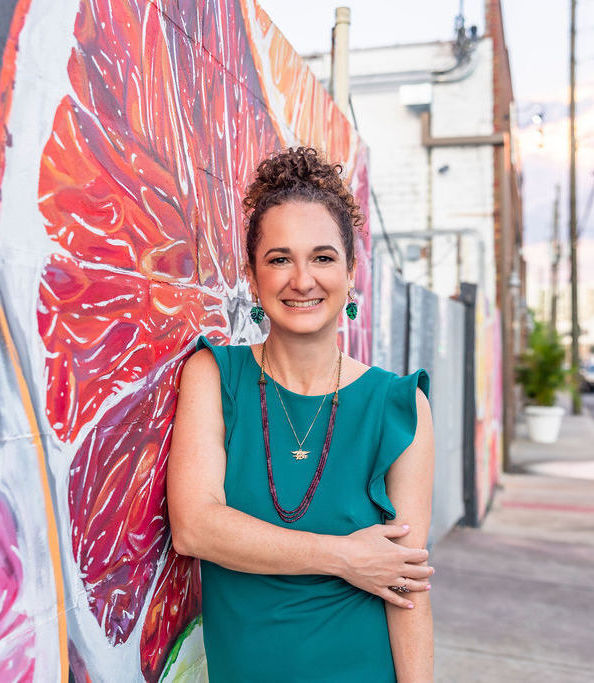
Rebecca C. Y. Deming, founder and principal attorney of ProVet Legal, is a passionate advocate for veterans’ rights. She earned her law degree Magnum Cum Laude from the University of Miami’s School of Law. Rebecca’s practice focuses on assisting veterans with disability compensation appeals, ensuring they receive the benefits they deserve for their service to our nation.
With her extensive experience as an accredited attorney with the Veterans Benefits Administration, Rebecca guides veterans through the complex process of appealing denied disability claims. Her unwavering commitment to helping those who have served is evident in her tireless efforts to secure positive outcomes for her clients. Through ProVet Legal, Rebecca continues to make a significant impact in the lives of veterans and their families.
Google | LinkedIn | The Florida Bar | Avvo