Benefits for Spouses of Veterans: Understanding Your Rights and Advantages in 2025

Being married to a veteran comes with special benefits that many spouses don’t know about. As the spouse of a veteran, you may qualify for various benefits including health care, education assistance, home loans, life insurance, and financial support. These programs are designed to support military families who have sacrificed alongside their service member.
The Department of Veterans Affairs (VA) offers these benefits to recognize that military service affects the whole family. Some benefits are available while your spouse is still serving, while others become available after their service ends or in cases of disability or death. Understanding what you’re entitled to can make a significant difference in your family’s quality of life.
Key Takeaways
- You can access VA health care and medical benefits as a veteran’s spouse under certain qualifying conditions.
- Spouses may be eligible for education assistance through programs like the GI Bill transfer or Survivors’ and Dependents’ Educational Assistance.
- You might qualify for VA home loans with no down payment and special financial support if your spouse has a service-connected disability.
Overview of Benefits for Spouses of Veterans
Spouses of veterans have access to various benefits through the Department of Veterans Affairs (VA). These benefits provide support in areas ranging from healthcare and education to housing and financial assistance.
Understanding Eligibility Requirements
To qualify for VA spouse benefits, your veteran spouse typically must have served a minimum time period and received an honorable or general discharge. Some benefits require the veteran to have a service-connected disability rated at a certain percentage.
For surviving spouses, eligibility often depends on whether the veteran’s death was service-related. You may be eligible if you are the surviving spouse of a veteran who died during active duty or from a service-connected condition.
Marriage duration requirements apply to certain benefits. For example, some benefits require that you were married to the veteran for at least one year or had a child together.
Remarriage sometimes affects eligibility. If you remarry before age 57, you may lose certain benefits, though recent policy changes have modified these restrictions.
Types of Veterans Benefits Available
Healthcare Benefits
- CHAMPVA (Civilian Health and Medical Program of the VA)
- VA Caregiver Support Program
- Mental health services and counseling
Financial Support
- Dependency and Indemnity Compensation (DIC) for surviving spouses
- VA Pension for low-income surviving spouses
- Burial benefits and memorial services assistance
Education & Housing Benefits
- Post-9/11 GI Bill transfer options
- VA home loans with favorable terms
- Survivors’ and Dependents’ Educational Assistance (DEA)
Employment Support
- Military Spouse Employment Partnership
- Military Spouse Preference in federal hiring
- Vocational rehabilitation programs
Key Terminology and Definitions
Service-connected disability: A condition determined by the VA to be related to a veteran’s military service. The severity is rated from 0% to 100% and affects benefit eligibility for both veterans and their spouses.
CHAMPVA: A health insurance program for spouses and dependents of permanently and totally disabled veterans or those who died from service-connected disabilities.
DIC (Dependency and Indemnity Compensation): A tax-free monetary benefit paid to eligible survivors of service members who died in the line of duty or veterans who died from service-related injuries.
DEA (Dependents Educational Assistance): Provides education and training opportunities to eligible spouses and children of certain veterans.
VA Fiduciary: Someone appointed to manage VA benefits for beneficiaries who are unable to do so themselves due to injury, disease, or age.
Education Benefits for Spouses
Military spouses have access to several educational assistance programs that can make college or vocational training more affordable. These programs help cover tuition costs, provide monthly stipends, and offer other financial support based on different eligibility requirements.
Dependents’ Educational Assistance (DEA) Program
The DEA program, also known as Chapter 35, provides education and training opportunities to eligible dependents of certain veterans. You may qualify if you’re the spouse of a veteran who:
- Died or is permanently disabled due to a service-connected disability
- Is missing in action or was captured in the line of duty
- Is being held as a prisoner of war
The program offers up to 36 months of benefits which can be used for:
- College degrees
- Certificate programs
- Apprenticeships
- On-the-job training
As of 2025, the monthly payment rates range from approximately $1,300 to $1,500 depending on your enrollment status. You typically have 10 years from the date of eligibility to use these benefits.
Marine Gunnery Sergeant John David Fry Scholarship
The Fry Scholarship provides education benefits to spouses of service members who died in the line of duty after September 10, 2001. As a spouse, you’re eligible to receive:
- Full tuition and fees at public institutions (or up to a national maximum at private schools)
- Monthly housing allowance
- Book and supplies stipend of up to $1,000 per year
Unlike some other benefits, you can use the Fry Scholarship for up to 15 years from your spouse’s date of death. This scholarship covers undergraduate degrees, graduate programs, and many vocational training courses.
The benefit level is the same as the full Post-9/11 GI Bill rate (100%). You cannot receive both DEA and Fry Scholarship benefits simultaneously but may choose the more beneficial program.
Post-9/11 GI Bill Transferability
If your spouse is an active duty service member or veteran, they may be able to transfer their education benefits to you. This option allows you to receive:
- Tuition payments directly to your school
- Monthly housing allowance
- Books and supplies stipend
To qualify for transferred benefits, your spouse must:
- Have served at least 6 years in the armed forces
- Commit to 4 additional years of service
- Make the transfer request while still serving
The Department of Defense must approve all transfer requests. Once approved, you may use these benefits while your spouse is still serving or after they’ve separated from service.
You’ll receive benefits based on your spouse’s length of service, ranging from 40% to 100% of the full benefit amount.
Hazlewood Act and Tuition Exemption
The Hazlewood Act is a Texas-specific benefit that may be transferred to spouses in certain circumstances. If you’re in Texas, this program offers:
- Up to 150 credit hours of tuition exemption
- Waived fees at public institutions in Texas
Some other states offer similar tuition assistance programs specifically for military spouses. These vary by state but might include:
- In-state tuition rates regardless of residency
- Tuition waivers or reductions
- Scholarship opportunities
The Spouse Education and Career Opportunities (SECO) program can help you navigate these state-specific benefits. Contact your state’s veterans affairs office to learn about exemptions available in your area.
Financial Support and Compensation
When a veteran passes away or becomes disabled, the government provides several financial support programs for spouses. These benefits aim to provide financial stability and recognize the sacrifices made by military families.
Dependency and Indemnity Compensation (DIC) Benefits
Dependency and Indemnity Compensation (DIC) is a tax-free monetary benefit paid to eligible surviving spouses of veterans who died from service-related injuries or diseases. To qualify, your spouse must have:
- Died while on active duty, or
- Died from a service-connected disability, or
- Been rated as totally disabled for at least 10 years before death
The basic monthly rate for DIC in 2025 is over $1,500, with additional amounts for dependent children. If you were caring for the veteran who was totally disabled prior to death, you may receive an additional allowance.
No application for DIC is required if you’re already receiving Survivors Pension benefits when DIC eligibility is established.
VA Survivors Pension
The VA Survivors Pension provides monthly payments to qualified surviving spouses with limited income. This needs-based benefit supplements your income if it falls below a limit set by Congress.
To be eligible:
- The veteran must have served during a wartime period
- You must not have remarried (in most cases)
- Your income must fall below certain thresholds
The pension amount is calculated by subtracting your countable income from the annual pension limit. Medical expenses exceeding 5% of your income may reduce your countable income.
Unlike DIC, this benefit isn’t tied to service-connected deaths but helps spouses of wartime veterans facing financial hardship.
Social Security Benefits for Surviving Spouses
As a surviving spouse of a veteran, you may also qualify for Social Security survivor benefits. These benefits are separate from VA benefits, and you can often receive both simultaneously.
You can receive full benefits at your full retirement age or reduced benefits as early as age 60. If you’re caring for the deceased veteran’s child under 16, you might qualify at any age.
The benefit amount depends on:
- Your age
- Your spouse’s work history
- Whether you’re caring for dependent children
Disabled surviving spouses can receive benefits as early as age 50. To apply, contact the Social Security Administration with your spouse’s death certificate and military discharge papers.
Home Loans and Housing Assistance
Veterans Affairs offers valuable housing benefits that extend to spouses under certain conditions. These programs can make homeownership more accessible through favorable loan terms and assistance with housing costs.
VA Home Loan Eligibility for Spouses
Spouses of veterans may qualify for VA home loans in specific situations. If you’re an active-duty service member’s spouse, you can be included on a VA loan application, though the veteran must be the primary borrower with valid VA loan eligibility.
The VA doesn’t directly lend money but guarantees portions of loans made by private lenders. This guarantee helps you secure better terms like:
- No down payment requirements (in most cases)
- Lower interest rates than conventional loans
- No private mortgage insurance (PMI)
- Limited closing costs
To use this benefit, your spouse must have an honorable discharge from military service and meet service requirements. Your spouse will need a Certificate of Eligibility (COE) to prove qualification for the program.
Benefits for Surviving Spouses
If you’re a surviving spouse, you may qualify for VA-backed home loans in your own right. Eligibility typically requires that your veteran spouse:
- Died in service or from a service-connected disability
- Is missing in action or a prisoner of war
- Had a total service-connected disability before death
As a qualifying surviving spouse, you’ll need to obtain your own Certificate of Eligibility. The Department of Veterans Affairs offers three home loan programs to eligible surviving spouses.
Some states offer additional benefits. For example, Florida provides eligible applicants up to $25,000 in down payment and closing cost assistance.
These benefits aim to honor your spouse’s service by helping you achieve stable, affordable housing.
Special Programs and Additional Resources
Veterans’ families have access to several specialized programs beyond basic benefits. These initiatives provide educational support, career assistance, and care for survivors.
Support for Dependents and Children
The Dependents’ Educational Assistance (DEA) program, also known as Chapter 35 benefits, offers education and training to qualifying spouses and children of veterans. It provides up to 36 months of education benefits.
For military spouses seeking career development, the MyCAA Scholarship Program offers up to $4,000 in financial assistance. This program specifically targets portable career opportunities that can move with military families during relocations.
Children of veterans may qualify for:
- The Marine Gunnery Sergeant John David Fry Scholarship
- Transfer of Post-9/11 GI Bill benefits
- State-specific education grants
Eligibility typically depends on the veteran’s service-connected disability rating or service circumstances.
Counseling and Career Services
VA offers comprehensive counseling services for veterans’ family members. These include mental health support, relationship counseling, and grief counseling through Vet Centers nationwide.
Career services specifically designed for military spouses include:
- Military Spouse Employment Partnership (MSEP) – Connects spouses with employers
- Spouse Education and Career Opportunities (SECO) – Provides career coaching
- Military OneSource – Offers resume assistance and job search tools
Many educational assistance programs also include career counseling components. These services help identify portable career paths that work with military lifestyle demands.
Employment preference programs in federal jobs may be available to military spouses in certain circumstances.
Legacy and Survivor Support Programs
When a veteran passes away, surviving family members may qualify for several support programs. Dependency and Indemnity Compensation (DIC) provides monthly payments to eligible survivors of veterans who died from service-related causes.
The VA also offers burial benefits including:
- Cemetery plots in national cemeteries
- Headstones or markers
- Burial flags
- Reimbursement for some burial expenses
Survivors’ pension is available to low-income, unmarried surviving spouses and unmarried children of deceased veterans with wartime service.
The VA healthcare system provides CHAMPVA (Civilian Health and Medical Program of the Department of Veterans Affairs) for spouses and children of veterans who are permanently and totally disabled or who died from service-connected conditions.
How to Apply for Benefits
Applying for VA benefits as a spouse of a veteran involves specific steps and documentation. The process requires attention to detail and understanding how to work with VA officials.
Documentation and Application Process
To start the application process, gather important documents that prove your relationship to the veteran. This includes your marriage certificate, the veteran’s discharge papers (DD-214), and any medical documentation if applying for health benefits.
You can apply for benefits in several ways. Complete applications online through the VA website, which is often the fastest method. You can also download forms to fill out and mail in.
If you prefer in-person help, visit a VA regional office where staff can assist with your application. Not comfortable with these options? Simply call 888-442-4551 Monday through Friday, 8:00 a.m. to 7:00 p.m. ET to request that forms be sent to you.
Required Documents Checklist:
- Marriage certificate
- Veteran’s DD-214
- Social Security numbers for you and the veteran
- Birth certificates of dependent children (if applicable)
- Financial information (for certain benefits)
Working with the Department of Veterans Affairs
Building a good relationship with VA representatives can make your application process smoother. Don’t hesitate to ask questions when you’re unsure about any part of the process.
Consider connecting with a Veterans Service Officer who specializes in helping families navigate the benefits system. These professionals offer free assistance and know how to properly file claims.
Your local County Veterans Service Office can provide personalized guidance tailored to your situation. They understand both federal and state benefits you might qualify for.
Be prepared for processing times that vary by benefit type. Some applications may take several months to process. You can check your application status online through the VA website or by calling the VA directly.
Remember to keep copies of everything you submit. This creates a paper trail that can be helpful if questions arise about your application later.
Final Thoughts: Don’t Miss Out on the Support You’ve Earned
Spouses of veterans are entitled to more than just appreciation – you have a legal right to meaningful support. From health care and education to financial stability and career assistance, VA benefits are designed to help you thrive alongside – and beyond – your veteran’s service.
But navigating the system isn’t always easy. That’s where ProVet Legal comes in. We focus exclusively on VA disability benefits and survivor compensation, and we know how to help families like yours get every benefit they’re entitled to.
If you’re unsure about your eligibility or how to apply, don’t wait.
Contact ProVet Legal today – and let us help you secure the future you’ve earned.
Author Bio
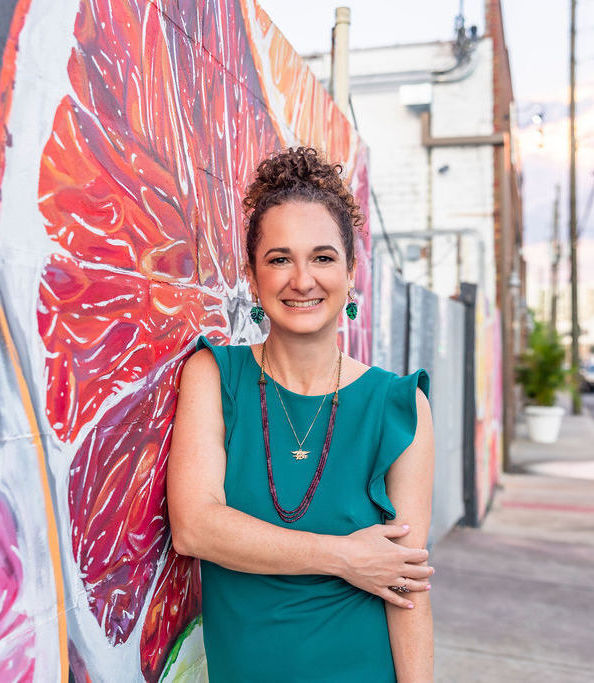
Rebecca C. Y. Deming, founder and principal attorney of ProVet Legal, is a passionate advocate for veterans’ rights. She earned her law degree Magnum Cum Laude from the University of Miami’s School of Law. Rebecca’s practice focuses on assisting veterans with disability compensation appeals, ensuring they receive the benefits they deserve for their service to our nation.
With her extensive experience as an accredited attorney with the Veterans Benefits Administration, Rebecca guides veterans through the complex process of appealing denied disability claims. Her unwavering commitment to helping those who have served is evident in her tireless efforts to secure positive outcomes for her clients. Through ProVet Legal, Rebecca continues to make a significant impact in the lives of veterans and their families.
Google | LinkedIn | The Florida Bar | Avvo