What Veterans Should Know About BVA Appeal Representation

If your VA disability claim has been denied and you are heading toward a Board of Veterans’ Appeals hearing, you are at one of the most important stages of the entire process. The decisions made at this level can determine whether you receive the benefits you earned through your service. Having the right representation in your corner can make all the difference in how that hearing goes.
What is the Board of Veterans’ Appeals?
The Board of Veterans’ Appeals, commonly called the BVA, is an independent body within the Department of Veterans Affairs that reviews appealed VA disability decisions. When a veteran disagrees with a regional office decision and chooses the Board Appeal lane, the case goes to a Veterans Law Judge for review.
The BVA process is different than the initial process at regional VA offices. For example, the BVA operates more formally, like a legal proceeding. You have the right to request a hearing before a judge, submit new evidence alongside your appeal, and have a representative speak on your behalf. This increased formality is why legal representation matters so much at this stage.
Who Can Represent You at a BVA Hearing?
Veterans have several options when it comes to BVA representation. You can work with an accredited attorney, a claims agent, or a Veterans Service Organization representative, sometimes called a VSO. Each option comes with different levels of legal experience and involvement.
All of our attorneys are VA-accredited, meaning we have met specific federal requirements to practice before the VA and the BVA. They can analyze your file, identify legal errors in the original decision, prepare arguments, and advocate for you directly at the hearing. If your case involves complex issues like service connection disputes, inadequate C&P exams, or errors in how evidence was weighed, an attorney brings a level of legal skill that can be hard to match otherwise.
VSOs can be a solid resource early in the claims process, but they often have heavy caseloads and may not provide the individualized attention a complex BVA appeal requires. For veterans who have already been denied and need to fight back hard, working with an attorney is often the better choice.
What Does a BVA Representative Actually Do?
A good representative does far more than show up to the hearing with you. At ProVet Legal, we start by doing a thorough review of your entire VA disability claim file, including the rating decision, your C&P exam results, your service records, and any medical evidence already in the record.
We look for errors in the VA’s evaluation of your claim. Did the examiner fail to address all of your conditions? Was the nexus between your service and your disability ignored or minimized? Were VA regulations applied correctly? Those findings shape the entire argument we build for your hearing.
We also help you prepare your own testimony. Knowing what to say and how to frame your experience clearly and effectively for a Veterans Law Judge takes preparation. We make sure you walk into that hearing room ready.
The Three BVA Docket Options
When you file a Board Appeal, you choose one of three docket tracks, and that choice affects your timeline and what you can submit.
The Direct Review docket is the fastest option. No new evidence is submitted, and no hearing is held. The judge reviews the existing record and issues a decision. This works best when the evidence already in your file strongly supports your case.
The Evidence Submission docket lets you submit additional evidence without holding a hearing. If you have new medical records or a private nexus opinion ready to go, this track lets you get them before the judge without waiting for a hearing date.
The Hearing Request docket is the most involved option. You submit new evidence and appear before a Veterans Law Judge. Wait times are longer, but this is often the right choice for veterans whose cases benefit from direct testimony and a full legal argument.
What Happens if the BVA Rules Against You?
A BVA denial is not necessarily the end. Veterans who receive an unfavorable decision from the Board can further appeal to the U.S. Court of Appeals for Veterans Claims, a federal court completely independent of the VA. You can learn more about the full VA appeals process and how each step connects to the next.
At the court level, the legal complexity increases significantly. Having an attorney who has been with your case from the BVA stage and who already understands the full record puts you in a much stronger position if you need to go further.
You Do Not Have to Do This Alone
The BVA process can feel overwhelming, especially if you have been fighting for your benefits for years. The rules are technical, the stakes are high, and the VA is not going to make it easy. That is why having someone who knows this system in your corner matters so much.
Under 38 U.S.C. § 5904 and related VA regulations, accredited attorneys are authorized to charge fees only after a Notice of Disagreement is filed, which means representation during the BVA process is structured to protect veterans financially. At ProVet Legal, you pay nothing unless we win your case.
Contact Us for a Free Case Review Today
If you have a BVA hearing coming up or you have already received a Board denial and are wondering what to do next, we want to hear from you. Our team has helped veterans nationwide fight for the disability benefits they earned. Contact ProVet Legal today for a free case review. There is no cost to talk, and if we take your case, you pay nothing unless we win.
Author Bio
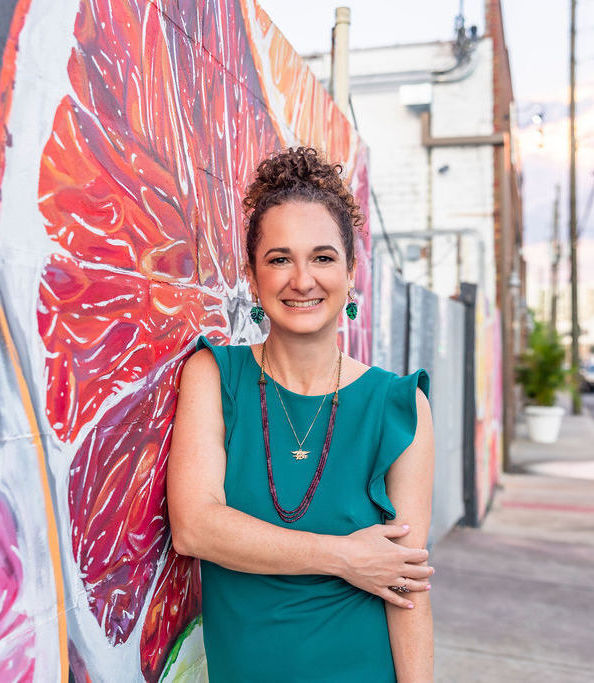
Rebecca C. Y. Deming, founder and principal attorney of ProVet Legal, is a passionate advocate for veterans’ rights. She earned her law degree Magnum Cum Laude from the University of Miami’s School of Law. Rebecca’s practice focuses on assisting veterans with disability compensation appeals, ensuring they receive the benefits they deserve for their service to our nation.
With her extensive experience as an accredited attorney with the Veterans Benefits Administration, Rebecca guides veterans through the complex process of appealing denied disability claims. Her unwavering commitment to helping those who have served is evident in her tireless efforts to secure positive outcomes for her clients. Through ProVet Legal, Rebecca continues to make a significant impact in the lives of veterans and their families.
Google | LinkedIn | The Florida Bar | Avvo